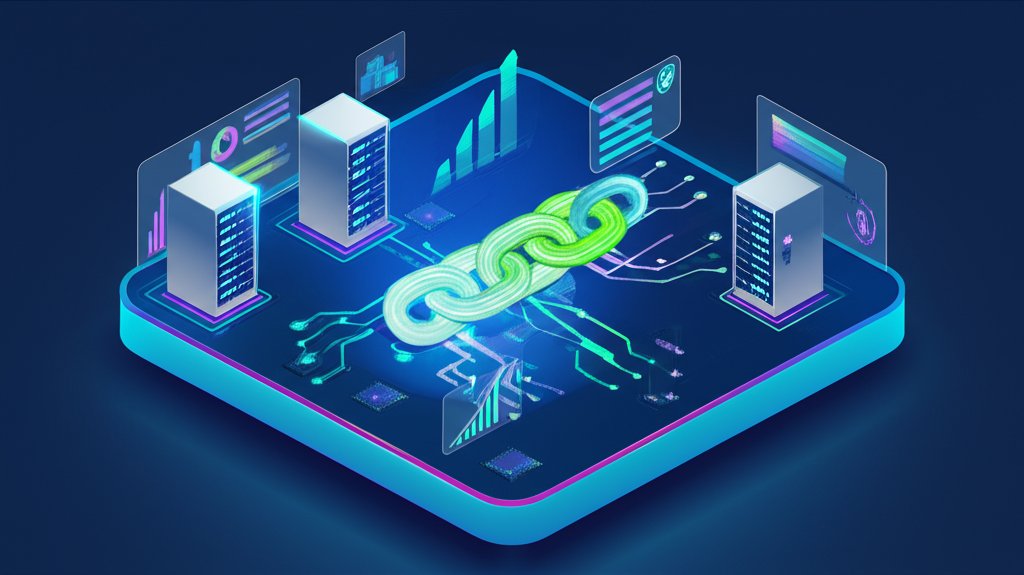
Blockchain isn't just a buzzword for digital currencies; it's a foundational technology that's redefining how we think about trust, security, and efficiency across virtually every industry. From enhancing supply chain transparency to securing sensitive patient data, the advantages of blockchain are ushering in an era where verifiable, immutable records are the norm, not the exception. It promises a future where intermediaries are minimized, and data integrity is paramount.
At a Glance: Why Blockchain Matters
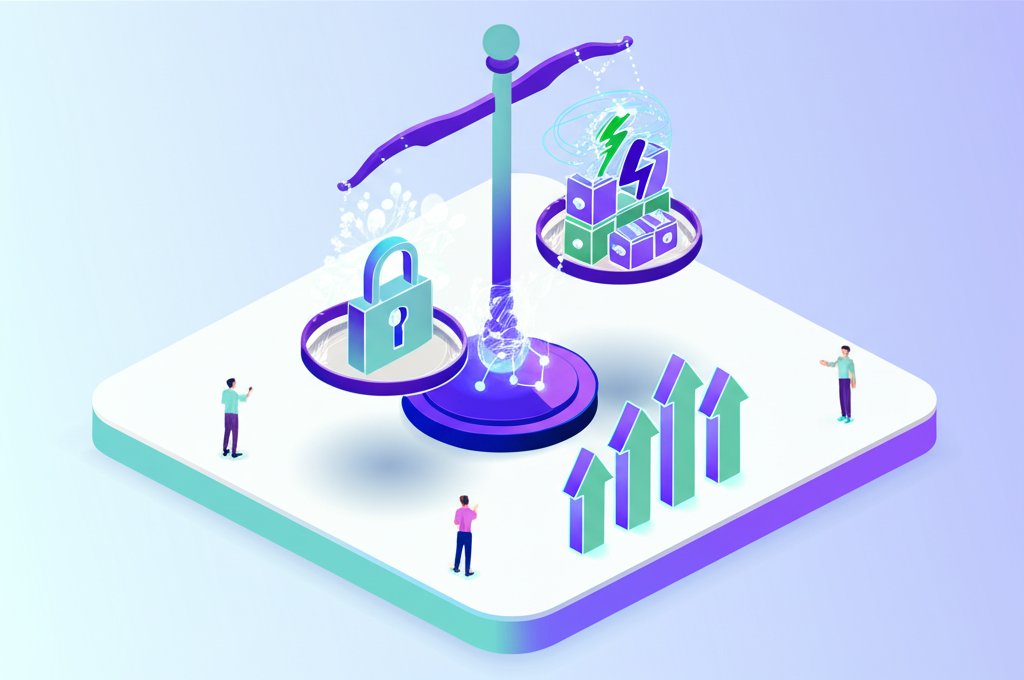
- Unparalleled Security: Advanced cryptography makes data nearly tamper-proof.
- Built-in Trust: Decentralization and transparency eliminate the need for intermediaries.
- Streamlined Operations: Automation via smart contracts reduces manual processes and costs.
- Enhanced Traceability: Track assets and transactions with real-time, verifiable records.
- Faster Transactions: Near-instant settlements, bypassing traditional bottlenecks.
- Greater Transparency: All participants have access to a shared, immutable ledger.
- Resilience: No single point of failure means robust and censorship-resistant systems.
- Cost Reduction: Fewer intermediaries and automated processes drive down operational expenses.
Demystifying Blockchain: A Quick Primer
Before diving into its myriad benefits, let’s quickly ground ourselves in what blockchain truly is. Imagine a digital ledger—a record book—that isn't stored in one place, but distributed across a vast network of computers. Each new entry, or "block," is cryptographically linked to the previous one, forming an unbreakable "chain." Once a record is added, it's virtually impossible to alter without invalidating every subsequent block, and because it's shared across the network, any unauthorized change would be immediately apparent.
This decentralized, tamper-resistant nature is why blockchain is poised to add a staggering $1.76 trillion to the global economy by 2030, according to PwC's 2023 report. It's not just for finance; sectors like healthcare, supply chain, and real estate are already tapping into its transformative potential.
The Powerhouse Benefits: Why Businesses and Individuals Are Adopting Blockchain
The unique architectural design of blockchain provides a suite of advantages that address long-standing challenges in data management, security, and operational efficiency. Let's unpack the core benefits that are driving its widespread adoption.
Unleashing Decentralization: No Single Point of Failure
One of blockchain's most revolutionary features is its decentralized nature. Unlike traditional systems controlled by a single entity (like a bank or a government server), blockchain distributes control across numerous network participants, or "nodes." This design eliminates a single point of failure, making the system incredibly resilient and resistant to attack or shutdown.
Consider Bitcoin, which operates entirely without a central bank or governing authority. This model extends to Decentralized Finance (DeFi) markets, which are projected to reach a total value locked (TVL) of over $121.2 billion by 2025, enabling peer-to-peer transactions without traditional financial intermediaries. Even organizational structures are evolving with Decentralized Autonomous Organizations (DAOs) like MakerDAO, where community members use tokens to govern collectively.
Crystal-Clear Transparency: Trust in Every Transaction
Because all transactions on a public blockchain are recorded on a shared, immutable ledger, they become transparent and verifiable by anyone in the network. This doesn't necessarily mean revealing personal identities, but it ensures that the integrity of the data itself is beyond question.
For businesses, this level of visibility is a game-changer. Walmart, for instance, uses IBM Food Trust to trace food products from farm to store in seconds, drastically improving food safety and recall efficiency. Similarly, countries like India and Sweden are exploring blockchain for land registry management, aiming to prevent fraud and bring unparalleled clarity to property ownership records.
Fort Knox Security: Protecting Your Data with Cryptography
Blockchain employs advanced cryptographic encryption to secure transactions and data. Each block of data is hashed and linked to the previous one, making it incredibly difficult to tamper with. Once data is recorded, it's effectively locked in, forming an unchangeable record. This "write-once, read-many" approach provides an unparalleled level of data security.
Estonia's e-Residency program leverages blockchain to secure digital identities, offering a highly secure way for non-residents to conduct business in the EU. Even traditional financial giants like JPMorgan Chase are using blockchain for Know Your Customer (KYC) verification, enhancing the security and efficiency of identity checks.
End-to-End Traceability: Knowing Your Products Inside Out
Blockchain’s ability to record every step in a product's journey, from raw material to consumer, creates an unbroken chain of custody. This real-time traceability is a powerful weapon against counterfeiting, which costs global businesses over $1.8 trillion annually, according to the OECD.
Platforms like MediLedger secure pharmaceutical supply chains, ensuring compliance with mandates like the FDA's DSCSA. Luxury brands, including LVMH, use blockchain to issue digital authenticity certificates, giving consumers absolute confidence in their purchases and preventing illicit reproductions.
Cutting Costs and Boosting Bottom Lines: Financial Efficiency
By automating processes and eliminating the need for costly intermediaries, blockchain technology can significantly reduce operational expenses. This efficiency translates directly into cost savings for businesses and often lower fees for consumers.
Ripple's network, for example, processes cross-border payments for around $0.5 per transaction, a fraction of traditional banking fees. Smart contracts, running on platforms like Ethereum, automate agreements in sectors ranging from real estate to legal services, drastically cutting down on administrative costs and time.
Lightning-Fast Transactions: Speeding Up Global Commerce
Traditional transaction systems can be slow, especially for cross-border payments that involve multiple banks and reconciliation processes. Blockchain, particularly newer generations and optimized solutions, can drastically cut down settlement times, often to near-instantaneous.
Solana, a high-performance blockchain, boasts the ability to process up to 65,000 transactions per second (TPS), dwarfing Bitcoin's 7 TPS. Platforms like Ripple (XRP) are actively used by major financial institutions like Santander and American Express to facilitate real-time international money transfers, making global commerce more agile.
Unshakeable Auditability: Verifiable Records for Absolute Accountability
Every transaction recorded on a blockchain bears a timestamp and is cryptographically secured, creating an immutable and verifiable audit trail. This makes it significantly easier to track, verify, and audit financial or operational data, improving compliance and accountability.
A Deloitte 2023 survey revealed that over 80% of financial institutions are exploring blockchain to enhance audit transparency. Accounting firms such as PwC and Deloitte are already leveraging it for real-time audits and automated compliance checks, moving away from retrospective, resource-intensive processes.
Smart Contracts: Automating Agreements with Precision
Smart contracts are self-executing agreements stored directly on the blockchain. They automatically execute predefined actions when specific conditions are met, without the need for intermediaries. This automation introduces unprecedented efficiency, trust, and error reduction into contractual agreements.
Ethereum, a leading smart contract platform, hosts over 3,000 decentralized applications (DApps) that span finance, gaming, and logistics. In real estate, platforms like Propy use smart contracts to facilitate property transfers in a matter of minutes, replacing weeks or months of traditional paperwork.
Censorship Resistance: Beyond Centralized Control
One of blockchain’s powerful socio-political implications is its resistance to censorship. Because transactions are distributed across a network rather than controlled by a central authority, governments or banks find it incredibly difficult to block transactions or freeze assets. This provides a crucial layer of financial freedom in certain contexts.
Following government restrictions in Nigeria, Bitcoin usage surged via peer-to-peer platforms. During the 2022 crisis, crypto donations sent to Ukraine bypassed traditional banking limitations, demonstrating blockchain's ability to facilitate transactions even under duress.
Uncompromised Data Integrity: Immutable Records You Can Trust
The immutable nature of blockchain records means that once data is added to a block, it cannot be altered or deleted. This permanence ensures extremely high data integrity, which is critical in an age where data breaches cost companies an average of $4.45 million.
In healthcare, the Mayo Clinic is exploring blockchain to secure electronic health records (EHRs), ensuring that patient data remains accurate, private, and tamper-proof. This safeguard is vital for maintaining trust in sensitive medical information.
Tackling Fraud Head-On: A New Era of Secure Transactions
The combination of immutability, cryptography, and decentralized verification makes blockchain a potent tool in combating fraud. Unauthorized modifications are nearly impossible, as any attempt would be visible across the network and immediately flagged.
Both Mastercard and Visa are integrating blockchain-based transaction authentication to prevent chargeback fraud, a persistent problem for merchants. Insurance companies like MetLife are leveraging smart contracts to automate claim approvals, reducing the likelihood of fraudulent claims and speeding up payouts.
Empowering Ownership: Your Digital Assets, Your Rules
Blockchain offers a paradigm shift in digital ownership, giving users full control over their digital assets and identities. This concept, known as "self-sovereign identity," allows individuals to manage their credentials securely without relying on centralized databases.
Non-fungible tokens (NFTs), built on blockchain, empower artists to retain full ownership and earn royalties from their digital artwork, even as it changes hands. Systems like Microsoft ION are developing decentralized identity solutions that allow users to securely manage their personal credentials, putting control back into individual hands.
Seamless Interoperability: Connecting Digital Ecosystems
While early blockchains often operated in silos, the future lies in interoperability—the ability for different blockchain networks to communicate and share data. This facilitates broader adoption and creates more expansive, integrated digital ecosystems.
Solutions like Polkadot and Cosmos are specifically designed to enable cross-chain data exchange. Estonia's e-Health system, a pioneer in digital government, uses blockchain to integrate medical data from various hospitals and clinics, showcasing real-world interoperability across diverse healthcare providers.
Scaling Up: Handling Massive Transaction Volumes
One common misconception about blockchain is its perceived lack of scalability. While early versions faced limitations, modern advancements like Layer-2 solutions, sharding, and Proof-of-Stake (PoS) consensus mechanisms are significantly enhancing transaction throughput.
Enterprise blockchain frameworks can already handle immense transaction volumes, with Visa, for example, processing over 65,000 TPS using a blockchain-like architecture. Projects like Ethereum 2.0 (now known as the Beacon Chain) and Solana are specifically designed with scalability in mind, proving that blockchain can support global-scale applications.
Overall Efficiency & Agility: The Engine of Modern Business
Beyond individual benefits, blockchain acts as a powerful engine for overall business efficiency and agility. By automating workflows, removing friction, and providing real-time data, it allows organizations to operate leaner, faster, and with greater confidence. When combined with technologies like the Internet of Things (IoT), blockchain enables real-time tracking of shipments and automated responses. Logistics giants like FedEx and Maersk are exploring smart contracts to optimize shipping routes, manage inventory, and enhance transparency throughout their complex global supply chains.
The advantages are clear, but understanding the full picture, including the trade-offs, is crucial for successful implementation. It's often helpful to Explore Blockchains Pros and Cons before embarking on a new project.
Navigating the Landscape: Understanding Blockchain's Current Limitations
While the advantages of blockchain are compelling, it's equally important to acknowledge its current limitations and challenges. No technology is a silver bullet, and blockchain is still evolving.
- Complexity and Immaturity: Blockchain technology can be inherently complex. Developing and deploying solutions often requires specialized skills, such as familiarity with programming languages like Solidity for Ethereum. The ecosystem is still maturing, leading to a lack of standardized frameworks and best practices.
- Storage Issues (Blockchain Bloat): The immutable nature of blockchain means that every transaction ever recorded remains on the ledger. Over time, this leads to an ever-growing chain size, or "bloat." A full Bitcoin node, for example, requires over 500 GB of storage, which can be a barrier for individual users or smaller enterprises.
- Time-Consuming Consensus Mechanisms: Some older or more robust consensus mechanisms, particularly Proof of Work (PoW) used by Bitcoin, can be slow. PoW processes only about 7 transactions per second (TPS) and takes around 10 minutes to mine a new block, which isn't suitable for high-frequency, real-time applications.
- Adoption Barriers: Implementing blockchain technology often involves significant upfront costs, requires a shift in organizational culture, and demands highly specialized technical expertise. This can deter smaller businesses or those resistant to change.
- Legal and Compliance Risks: The regulatory landscape for blockchain and cryptocurrencies remains fragmented and inconsistent across different jurisdictions. This creates legal uncertainty and compliance challenges, as exemplified by regulatory actions like the SEC's lawsuit against Ripple Labs. Data privacy regulations, such as GDPR, also pose unique challenges for immutable ledgers, particularly in sensitive sectors like healthcare.
Blockchain in Action: Real-World Applications and a Glimpse into the Future
Despite its challenges, blockchain's undeniable advantages are fueling its rapid adoption across diverse industries. Its transformative potential is only just beginning to unfold, promising a future where digital interactions are more secure, efficient, and transparent.
Transforming Finance
Blockchain is poised to revolutionize the financial sector by enabling:
- Reduced cross-border payment costs: Potentially cutting fees by up to 95%.
- Automated financial agreements: Using smart contracts for loans, insurance, and escrows.
- Enhanced fraud prevention: With immutable transaction records and advanced authentication.
Revolutionizing Supply Chains
From farm to fork, blockchain offers unparalleled visibility and integrity:
- End-to-end product traceability: Preventing counterfeits and ensuring ethical sourcing.
- Real-time inventory tracking: Optimizing logistics and reducing waste.
- Streamlined customs and paperwork: Automating documentation and reducing delays.
Advancing Healthcare
The secure and decentralized nature of blockchain makes it ideal for medical applications:
- Secure patient data management: Protecting electronic health records (EHRs) from breaches.
- Efficient insurance claim processing: Automating approvals with smart contracts.
- Ensuring clinical trial data integrity: Providing verifiable and immutable research records.
Redefining Real Estate
Blockchain simplifies complex property transactions:
- Streamlined property transfers: Reducing paperwork and legal fees.
- Transparent ownership records: Combating fraud and making due diligence easier.
- Fractional ownership: Enabling investment in high-value assets through tokenization.
Emerging Trends & Market Projections
The future of blockchain is vibrant, with several key trends shaping its trajectory:
- Growth of DeFi and NFTs: Further decentralizing finance and empowering creators and owners of digital assets.
- Cross-chain interoperability: Moving beyond siloed blockchains to create a more connected digital economy.
- Digital identity management: Empowering individuals with self-sovereign identities.
- Enterprise adoption: Companies increasingly integrating blockchain into their core operations.
With market projections estimating it will reach $2 trillion, blockchain is not just a technology; it's a new paradigm for how we manage information, conduct business, and interact in a digital world.
Ready to Explore Further? Your Next Steps in the Blockchain Journey
The journey into blockchain can seem daunting, but its potential rewards are immense. Whether you're a business leader looking for operational efficiencies, an entrepreneur seeking new market opportunities, or simply an individual curious about the future of digital trust, understanding the core advantages is your first step.
Begin by identifying a specific problem or process in your current operations that could benefit from enhanced security, transparency, or automation. Research case studies from industries similar to yours. Consider engaging with blockchain consultants or developers to assess feasibility and tailor solutions that align with your unique needs. The shift is already happening, and being informed and strategic will ensure you’re not just participating in the future, but actively shaping it.