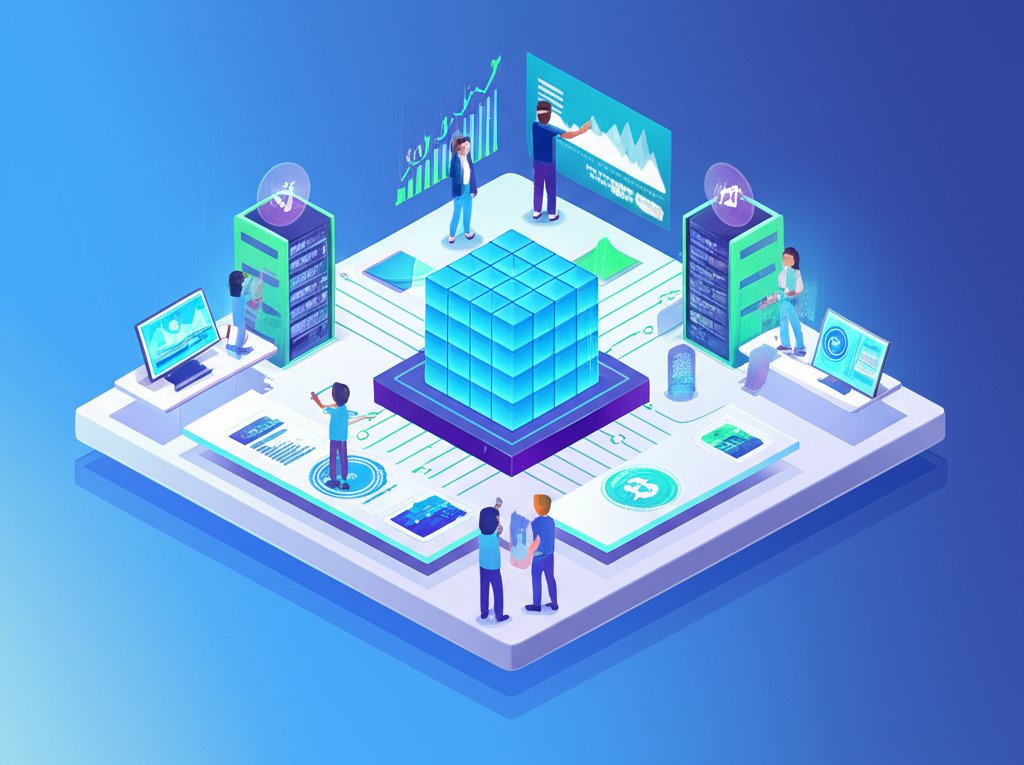
The digital frontier is rapidly being redrawn, and at its heart lies blockchain technology – a distributed ledger system promising unparalleled transparency, security, and efficiency. Once considered a niche interest for tech enthusiasts, blockchain has matured into a global phenomenon, poised to reshape industries from finance to gaming. Indeed, the global blockchain market is projected to skyrocket to nearly $1.4 trillion by 2030, a testament to its widespread adoption across finance, cybersecurity, and smart contract applications. This isn't just about cryptocurrencies anymore; it's about the foundational infrastructure for a new digital economy.
But who are the titans pioneering this revolution? Who are the biggest blockchain companies driving this astronomical growth and building the decentralized future? Let's peel back the layers and discover the firms making the most significant waves.
At a Glance: Key Takeaways on Blockchain's Big Players
- The global blockchain market could reach $1.4 trillion by 2030, fueled by finance, cybersecurity, and smart contracts.
- Publicly traded blockchain companies currently boast a total market cap of $199.5 billion, led by exchanges and diversified mining operations.
- Coinbase is the largest publicly traded blockchain company by market capitalization ($74.0B).
- Beyond public markets, innovators like Binance, Ripple, and R3 are creating crucial infrastructure and services.
- Blockchain companies are diversifying into high-performance computing (HPC) and AI data centers, especially in the mining sector.
- Key success factors include strong user bases, robust technology, strategic partnerships, and adaptability to regulatory landscapes.
Decoding the Blockchain Boom: Why the Urgency Now?

The excitement surrounding blockchain isn't mere hype; it's rooted in tangible shifts across industries. Governments are even getting involved, with initiatives like the GENIUS Act in the US potentially paving the way for broader technology adoption by adding consumer protections and licensing frameworks for banks to issue stablecoins. This regulatory clarity, alongside surging investments and the practical application of blockchain solutions in banking, payments, and digital identity, creates fertile ground for growth.
Imagine a world where financial transactions clear in seconds, digital assets are genuinely owned and verifiable, and supply chains are transparent end-to-end. This is the promise blockchain companies are working tirelessly to deliver. It’s a compelling vision that has attracted enormous talent and capital, propelling a select group of innovators to the forefront. These are the Top blockchain companies setting the pace for this digital transformation.
The Titans of the Chain: Who's Leading the Charge?
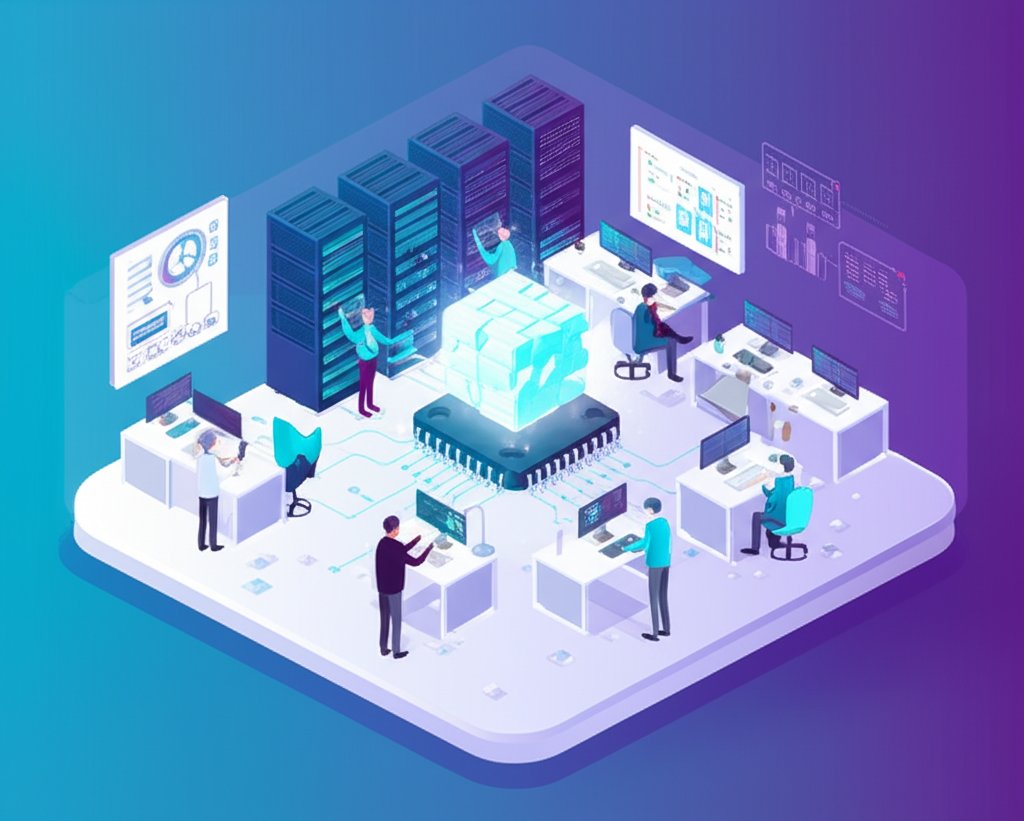
When we talk about the biggest players, we're looking at a diverse landscape. Some are publicly traded behemoths, their valuations a clear indicator of market confidence. Others are privately held powerhouses, often more agile and specialized, building critical infrastructure behind the scenes.
The Publicly Traded Powerhouses: A Snapshot
The public market offers a clear window into the scale of the blockchain industry, even if it only represents a fraction of the total crypto market. Currently, there are 46 publicly traded blockchain companies, with the vast majority (24) finding their home on NASDAQ. While their collective market capitalization sits at $199.5 billion, this is just 5.8% of the broader crypto market's $3.45 trillion valuation, highlighting the significant role of private entities and individual crypto assets.
Let's look at some of the standouts:
- Coinbase (COIN): The Exchange Giant
When it comes to sheer market cap among public blockchain companies, Coinbase is the undisputed champion. This crypto exchange platform commands a staggering $74.0 billion valuation, making it a pivotal gateway for millions worldwide to buy, sell, and store cryptocurrencies. Its scale and reach underscore the importance of robust exchange infrastructure in the digital economy. - The Evolving Mining Sector: Beyond Just Blocks
Mining companies form the largest contingent within the public blockchain sector, with 25 firms primarily focused on securing networks like Bitcoin. Historically, their business model revolved around validating transactions and earning block rewards. However, a significant shift is underway, especially after Bitcoin's fourth "halving" event reduced mining incentives.
Companies like Mara Holdings (MARA), with a $7.0 billion market cap, Core Scientific (CORZ), Hut 8 Mining (HUT), and HIVE Digital Technologies (HIVE) are rapidly diversifying. They're pivoting their immense computational power and data center infrastructure towards High-Performance Computing (HPC) and AI data centers. This strategic move ensures their relevance beyond crypto mining, tapping into the exploding demand for processing power across various tech domains. - Financial Innovators: Galaxy Digital's Dominance
The finance and investment sector within public blockchain firms totals $7.1 billion, largely dominated by Galaxy Digital. This company plays a crucial role in institutional crypto adoption, offering asset management, trading, and advisory services. Their strong presence indicates growing institutional interest and the professionalization of crypto-native financial services. - Other Key Public Players:
While NASDAQ hosts most public blockchain entities, the New York Stock Exchange (NYSE) also features a couple, including Bit Mining (BTCM) and Hyperscale Data (GPUS), further illustrating the industry's spread across traditional financial markets.
For those keen to dive deeper into the publicly traded space and identify investment opportunities, it's essential to understand the underlying business models. These companies represent different facets of the digital economy, from direct crypto exposure to the foundational computing power that underpins it all. You can Worlds biggest crypto companies to see a broader spectrum of organizations making an impact.
Private Innovators: Building the Foundation
While public markets offer transparency, many of the most influential blockchain companies remain privately held, focusing on building critical infrastructure, pioneering new applications, and expanding the ecosystem. These firms are often the true engines of innovation, pushing the boundaries of what blockchain can do.
Here are some of the most impactful private players:
- Binance: The Global Crypto Juggernaut
Binance isn't just an exchange; it's an entire ecosystem. Offering users the ability to link bank accounts and buy crypto from as little as $1, Binance provides staking rewards, low fees, and robust asset storage. Its vast global reach and diverse suite of services make it a central pillar of the crypto economy, operating at a scale that often dwarfs publicly traded rivals in terms of trading volume and user base. - Ripple: Reshaping Global Payments
Ripple has made its mark by tackling one of the oldest challenges in finance: cross-border payments. Its technology facilitates transactions in under five seconds, a significant improvement over traditional banking systems, and has already processed over $70 billion in transactions. Beyond its XRP cryptocurrency, Ripple offers enterprise-grade custody software and its own stablecoin, Ripple USD, positioning it as a key player in institutional finance. Companies building with blockchain like Ripple are fundamentally changing how money moves around the globe. - R3: Enterprise Blockchain for the Big Leagues
Often unseen by the average crypto user, R3 is a powerhouse in enterprise blockchain. Its Corda platform transforms real-world assets into digital ones, securely managing over $10 billion in assets on-chain and processing more than 1 million transactions daily. R3's focus on regulated industries like finance, healthcare, and supply chain management demonstrates blockchain's utility far beyond speculative assets. - Chainlink Labs: The Oracle of Web3
Blockchain networks, by design, are isolated from the outside world. Chainlink solves this "oracle problem" by providing secure, decentralized data feeds that connect smart contracts to real-world data and traditional systems. Its services are crucial for protocols like Aave and Synthetix, and strategic partnerships with giants like Amazon Web Services and Google Cloud cement its role as a fundamental piece of the Web3 infrastructure. - Algorand: A Sustainable, Scalable Layer-1
Algorand offers a Layer-1 blockchain built on a "pure proof-of-stake" foundation. This design provides robust security, impressive scalability, transaction finality (meaning transactions are irreversible almost instantly), built-in privacy features, and advanced smart contract capabilities. It's a platform designed for the future, supporting a wide array of decentralized applications and financial services. - Block (formerly Square): Innovating with Blockchain in Music
Jack Dorsey's Block isn't just a payment processor; it's a diversified tech company with significant blockchain interests. One notable venture is TIDAL, a global music streaming platform that leverages blockchain technology. This integration explores new models for artist compensation and digital rights management, showing how blockchain can disrupt established industries. - Hiro Systems: Bitcoin as a Decentralized Internet Layer
Hiro Systems is at the forefront of extending Bitcoin's utility beyond just digital money. They're leveraging Bitcoin's robust security and decentralization as a foundational layer for a decentralized internet architecture. This innovative approach envisions a future where Bitcoin doesn't just store value but also powers a new generation of secure and censorship-resistant applications. - Mythical Games: Crafting Digital Economies
Gaming is a natural fit for blockchain, and Mythical Games is proving why. They utilize blockchain to power secondary digital economies within games, allowing players to truly own in-game items as NFTs. Their first game, Blankos (launched December 2020), enabled players to earn, buy, and trade playable NFTs, verifying scarcity and ownership in a way traditional games never could. These Explore blockchain startups are creating entirely new business models. - Robinhood: Bridging Traditional Fintech and Crypto
The popular fintech giant Robinhood has made significant strides in democratizing access to cryptocurrencies. Its platform allows customers to easily invest in a wide range of digital assets, from Bitcoin to Litecoin, integrating crypto trading seamlessly into a user-friendly interface that many are already familiar with for stock investing. This accessibility helps onboard millions into the crypto space. - Lemonade: AI and Blockchain for Modern Insurance
Lemonade is reimagining insurance with a blend of AI and blockchain. They use AI for rapid rate setting and policy management, while smart contracts based on blockchain technology underpin payment agreements. This innovative approach allows for claims approval and payouts in minutes, drastically improving customer experience and operational efficiency in a traditionally slow-moving industry.
These Companies using blockchain illustrate the breadth of applications and the innovative spirit driving the sector forward. Whether it's facilitating faster payments or redefining digital ownership, these firms are building the infrastructure of tomorrow.
Beyond Crypto: How These Companies Are Reshaping Industries
The influence of blockchain extends far beyond just buying and selling Bitcoin. The biggest blockchain companies are strategically deploying this technology to solve real-world problems and create new paradigms across various sectors.
Revolutionizing Finance and Payments
- Instant Global Transfers: Companies like Ripple are dismantling the traditional, slow, and expensive correspondent banking system. Imagine wiring money across continents in seconds, not days, with minimal fees. This efficiency benefits individuals, businesses, and even aid organizations.
- Enterprise Financial Solutions: R3's Corda platform empowers financial institutions to manage complex transactions, issue digital assets, and settle trades with unprecedented speed and security. This isn't disrupting banks; it's upgrading them from within.
- Accessible Investment: Robinhood and Binance democratize access to financial markets, allowing everyday users to participate in the crypto economy with ease, fostering financial inclusion.
Transforming Gaming and Digital Ownership
- True Digital Property Rights: Mythical Games is pioneering a model where players genuinely own their in-game items, not just borrow them. This allows for secondary markets, potential income generation for players, and a more engaged community, fundamentally changing the player-developer relationship.
- New Revenue Streams: Blockchain-based gaming introduces novel ways for developers and players to interact economically, from NFT sales to play-to-earn models.
Modernizing Insurance with Smart Contracts
- Automated Claims Processing: Lemonade exemplifies how blockchain-powered smart contracts can automate claims. When predefined conditions are met (e.g., flight delay confirmed), the contract automatically triggers a payout. This eliminates bureaucratic hurdles, reduces fraud, and drastically speeds up the entire insurance process.
- Transparency and Trust: The immutability of blockchain ensures that all policy agreements and transactions are tamper-proof and transparent, building greater trust between insurers and policyholders.
Building the Decentralized Infrastructure of Web3
- Reliable Data Oracles: Chainlink is the backbone for countless decentralized applications, providing the critical off-chain data needed for smart contracts to function effectively. Without robust oracles, many complex blockchain applications simply wouldn't be possible.
- Scalable & Secure Foundations: Algorand offers a high-performance Layer-1 blockchain that can handle significant transaction volumes while maintaining security and decentralization, essential for broad adoption of Web3 technologies.
- Bitcoin as a Platform: Hiro Systems demonstrates that Bitcoin is more than just digital gold; it can serve as a secure, decentralized base layer for new internet architectures, extending its utility into diverse applications beyond finance.
The Mining Evolution: From Crypto to Computing Powerhouses
The strategic pivot of mining companies like Core Scientific and Hut 8 towards HPC and AI data centers is a significant trend. It leverages their massive investments in specialized hardware and energy infrastructure. This move allows them to:
- Diversify Revenue Streams: Reducing dependence on volatile crypto prices.
- Tap New Growth Markets: AI and machine learning require immense computational power, presenting a massive opportunity.
- Optimize Existing Assets: Repurposing high-performance hardware for broader computing needs.
This adaptability showcases the forward-thinking nature of these Explore Blockchain Companies, ensuring they remain at the cutting edge of technological development.
What Makes a Blockchain Company "Big"? Key Success Factors
It's not just about market cap; true "bigness" in the blockchain space is multifaceted. Several factors coalesce to define a company's impact and staying power.
- Technological Innovation & IP:
At the core, these companies are driving technological progress. Whether it's Algorand's pure proof-of-stake consensus, R3's Corda enterprise platform, or Chainlink's decentralized oracles, proprietary and cutting-edge technology is paramount. The ability to solve complex technical challenges with robust, scalable, and secure solutions sets the leaders apart. - User Base & Transaction Volume:
For platforms like Binance and Coinbase, a massive and active user base, coupled with high transaction volumes, directly correlates to their influence and revenue. For infrastructure providers like Chainlink, it's about the number of protocols and applications relying on their services. Adoption is king. - Ecosystem Development & Partnerships:
No company operates in a vacuum. The biggest players actively build ecosystems, fostering developer communities, integrating with other projects, and forging strategic partnerships. Chainlink's collaborations with AWS and Google Cloud, or Ripple's network of financial institutions, are prime examples of this. A thriving ecosystem ensures long-term relevance and growth. - Regulatory Compliance & Trust:
Operating in a nascent and often volatile industry, navigating the regulatory landscape is crucial. Companies like Coinbase invest heavily in compliance to offer regulated services, building trust with users and traditional financial institutions. The ability to adapt to evolving legal frameworks is a significant differentiator. - Diversification & Adaptability:
The pivot of mining companies towards HPC and AI is a powerful illustration of adaptability. The blockchain space evolves rapidly, and companies that can diversify their offerings, explore new markets, and remain agile in response to changing conditions are better positioned for sustained growth. This also extends to companies like Block, which integrates blockchain into its diverse portfolio of fintech and media ventures. - Real-World Problem Solving:
Ultimately, the most successful blockchain companies aren't just creating abstract technologies; they're solving concrete problems. Whether it's Lemonade's rapid claims processing, Ripple's efficient cross-border payments, or Mythical Games' true digital ownership, demonstrating tangible value propositions is key to gaining widespread adoption and enduring impact. This practical application solidifies their position as Best Blockchain Development Companies.
Navigating the Landscape: For Investors, Businesses, and Enthusiasts
The blockchain sector offers immense opportunity, but it also requires a nuanced understanding.
For Investors: Beyond the Hype Cycle
Investing in blockchain companies isn't the same as investing in traditional tech stocks.
- Understand the Sector: Differentiate between crypto exchanges, mining operations, infrastructure providers (oracles, Layer-1s), DeFi protocols, and Web3 application developers. Each has a different risk/reward profile.
- Focus on Fundamentals: Look beyond speculative price action. Evaluate revenue models, user growth, technological advantages, competitive moats, and management teams.
- Regulatory Risks: Keep an eye on evolving regulations, as government policies can significantly impact business models, especially for companies dealing directly with cryptocurrencies or stablecoins.
- Diversify: Don't put all your eggs in one blockchain basket. Consider a diversified portfolio across different sub-sectors and company types.
For Businesses: Harnessing the Power of Blockchain
If you're a business considering blockchain integration, here's what to keep in mind:
- Identify Real Problems: Don't implement blockchain just because it's trendy. Pinpoint specific challenges within your operations (e.g., supply chain transparency, data security, payment efficiency) that blockchain can genuinely solve.
- Choose the Right Partner: There's a vast ecosystem of blockchain providers. R3 specializes in enterprise solutions, Chainlink provides critical data feeds, and Algorand offers a robust Layer-1. Select partners whose technology aligns with your specific needs.
- Start Small, Scale Up: Pilot projects can help you understand the technology's capabilities and challenges before committing to large-scale implementation.
- Talent Acquisition: Blockchain development requires specialized skills. Consider how you'll acquire or train the necessary talent to maintain and evolve your blockchain solutions.
For Aspiring Developers & Entrepreneurs: Your Role in the Future
The blockchain space is a vibrant arena for innovation.
- Learn the Core Technologies: Master smart contract languages (like Solidity for Ethereum or Clarity for Stacks/Bitcoin), understand different consensus mechanisms, and delve into decentralized application (dApp) development.
- Identify Unsolved Problems: Look for gaps in the market, inefficiencies in existing systems, or new opportunities that blockchain can unlock.
- Build Your Network: Engage with developer communities, attend hackathons, and collaborate with others in the space. The open-source nature of many blockchain projects fosters a collaborative environment.
- Focus on User Experience: While the underlying tech is complex, successful blockchain applications are often those that offer intuitive and seamless user experiences.
The Road Ahead: Future Trends & Uncharted Territory
The blockchain journey is far from over. The coming years promise even more dramatic shifts and advancements.
- Continued Institutional Adoption: More traditional financial institutions, corporations, and governments will integrate blockchain into their operations, driven by efficiency, security, and the demand for tokenized assets.
- Interoperability: The ability for different blockchain networks to communicate and transfer assets seamlessly will become increasingly vital, fostering a truly interconnected decentralized web.
- Web3 Evolution: The development of the decentralized internet will accelerate, bringing new paradigms for digital identity, data ownership, and online interaction.
- AI and Blockchain Convergence: As seen with the mining companies, the synergy between AI and blockchain will deepen, with blockchain providing secure data for AI models and AI enhancing blockchain efficiency.
- Regulatory Maturation: Expect more comprehensive and clear regulatory frameworks globally, which, while potentially restrictive in some areas, will ultimately provide greater certainty and legitimacy for the industry.
- Tokenization of Everything: From real estate to intellectual property, more real-world assets will be tokenized on blockchain, unlocking liquidity and new investment opportunities.
Your Next Step in the Digital Economy
The landscape of the biggest blockchain companies is dynamic, filled with both established giants and nimble innovators. Their work extends far beyond cryptocurrencies, touching every facet of the digital economy, from how we pay to how we own our digital lives.
Understanding these players isn't just about identifying investment opportunities; it's about grasping the fundamental shifts occurring in technology and business. Whether you're an investor, a business leader, or simply curious about the future, keeping an eye on these trailblazers offers invaluable insights into the emerging digital world. Dive deeper into the technologies that excite you, explore the projects that resonate with your interests, and consider how these advancements might shape your own future. The decentralized revolution is well underway, and these companies are at the vanguard.