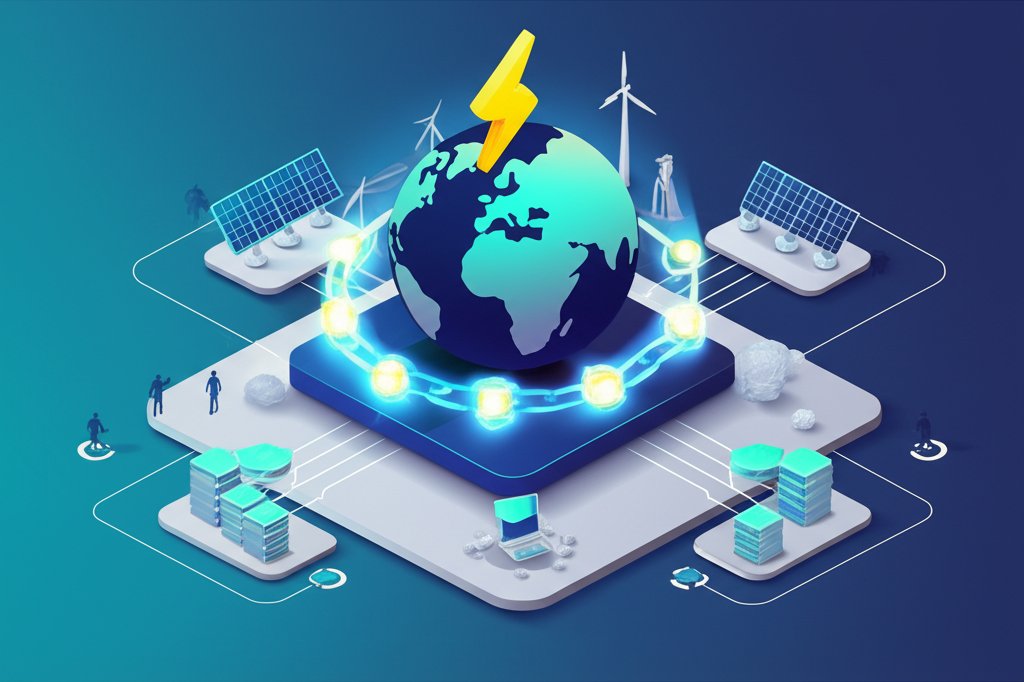
The global energy landscape is shifting dramatically, pushing outdated infrastructure and centralized control to its limits. This is where blockchain energy steps in, not just as a buzzword, but as a foundational technology redefining how we generate, distribute, and consume power. It's about moving from a one-way, opaque system to a truly decentralized, transparent, and efficient grid where every kilowatt-hour can be tracked, traded, and optimized.
At a Glance: Redefining Power with Blockchain Energy
- Deconstruct the 'Why': Understand the critical inefficiencies and lack of transparency in traditional energy grids that blockchain addresses.
- Core Mechanics: Grasp how blockchain, smart contracts, and tokenization enable secure, automated energy transactions without intermediaries.
- Key Benefits: See how blockchain enhances transparency, slashes costs, and empowers individuals through decentralization.
- Real-World Applications: Explore practical use cases like peer-to-peer energy trading, carbon credit tokenization, and smart grid management.
- Navigating Challenges: Identify current hurdles in adoption, from regulatory gaps to industry trust, and discover strategic pathways forward.
- Actionable Next Steps: Pinpoint how utilities, regulators, and consumers can actively engage with this transformative technology.
The Pressure Points: Why Traditional Energy Grids Are Stalling
For decades, our energy systems have operated on a centralized model. Large power plants generate electricity, which is then pushed through a complex network of transmission and distribution lines to consumers. This structure, while foundational to industrial growth, now faces significant headwinds:
- Administrative Overload: The sheer volume of manual processes, reconciliation, and bureaucratic layers creates enormous friction and cost. Managing intricate supply chains, especially in oil and gas, is a continuous administrative challenge.
- Opaque Operations: A lack of verifiable, end-to-end data makes it difficult to pinpoint inefficiencies, track energy origin, or ensure fair pricing. This opacity breeds distrust and hinders innovation.
- Slow-Paced Innovation: The entrenched nature of utility monopolies and legacy infrastructure often stifles rapid adaptation to new technologies or business models, leaving little room for agility.
- Inefficient Processes: From energy procurement to billing and regulatory compliance, many processes are ripe for optimization, consuming excessive time and resources.
These systemic issues highlight a critical need for a paradigm shift—a move towards a more agile, transparent, and user-centric energy ecosystem.
Blockchain Energy: Beyond Buzzwords to Foundational Change
At its core, blockchain for energy isn't about replacing the grid; it's about upgrading its operating system. Imagine a shared, tamper-proof digital ledger that records every energy transaction, from generation to consumption. That's the essence.
Blockchain offers a vendor and platform-agnostic solution that leverages:
- Decentralization: No single entity controls the network. Instead, participants collectively maintain and validate the ledger. This removes the need for central intermediaries, cutting down on costs and potential points of failure.
- Immutability: Once a transaction is recorded on the blockchain, it cannot be altered or deleted. This creates an unchangeable audit trail, fostering unprecedented transparency and trust.
- Smart Contracts: These are self-executing agreements with the terms of the contract directly written into code. They automatically trigger actions (like payments or energy transfers) when predefined conditions are met, automating complex transactions without human intervention.
- Tokenization: Physical assets, like a megawatt-hour of electricity or a carbon credit, can be represented as digital tokens on the blockchain. These tokens can then be securely and efficiently traded, unlocking new liquidity and market opportunities.
By enabling the legalization, security, and automation of energy transactions between producers and consumers without a centralized middleman, blockchain fundamentally reshapes the value chain. It optimizes costs and opens up entirely new business models that were previously unimaginable.
Pillars of a New Power Dynamic: Transparency, Efficiency, and Control
The implications of integrating blockchain into energy systems are profound, touching every facet of the industry.
Unprecedented Transparency and Trust
The immutable ledger at the heart of blockchain radically alters how trust is established. Every participant can verify transactions, knowing that the data is accurate and hasn't been tampered with.
- Full Traceability: Every unit of energy, from its source (e.g., a specific solar farm or wind turbine) to its consumption, can be traced. This is invaluable for verifying renewable energy claims or understanding supply chain origins.
- Auditable & Accurate Records: Regulators, auditors, and participants have access to a complete, unalterable history of all transactions. This dramatically simplifies compliance and dispute resolution.
- Maximized Data Security: Data is encrypted and linked chronologically in blocks, creating a highly secure chain that is incredibly difficult to compromise. The distributed nature of the network further enhances security, as there's no single point of attack.
Cost Efficiency and Streamlined Operations
Blockchain's ability to simplify complex processes directly translates to significant cost savings.
- Reduced Intermediary Fees: By facilitating direct peer-to-peer (P2P) interactions, blockchain eliminates many of the fees associated with brokers, exchanges, and other middlemen.
- Automated Processes with Smart Contracts: Manual reconciliation, billing, and settlement processes can be automated. This reduces administrative overhead, minimizes human error, and speeds up transaction times.
- Simplified Supply Chains: For complex industries like oil and gas, blockchain can provide a transparent, immutable record of every step in the supply chain, from extraction to delivery, optimizing logistics and reducing fraud.
Decentralized Control and Empowerment
Perhaps the most revolutionary aspect is the shift in control from centralized entities to a distributed network, empowering individuals and smaller players.
- Peer-to-Peer Energy Trading: Homeowners with rooftop solar panels can sell their excess energy directly to neighbors or other consumers on the grid, often at better rates than selling back to a utility.
- Enhanced Grid Management: Blockchain can facilitate a more dynamic, responsive grid by enabling direct connections between energy producers and consumers, balancing supply and demand in real-time.
- Prosumer Revolution: Individuals who both produce and consume energy (prosumers) gain greater control over their energy assets, participating actively in energy markets rather than being passive consumers.
For a broader look at how these solutions integrate into the grid, Explore blockchain energy solutions.
Real-World Shifts: Blockchain Energy in Action
The conceptual benefits of blockchain energy are already translating into tangible applications, reshaping how energy is bought, sold, and managed globally.
Peer-to-Peer Energy Trading: The Local Grid Revolution
This is one of the most compelling use cases, allowing individuals and businesses to trade energy directly.
- How it Works: Smart meters measure energy generation (e.g., from solar panels) and consumption. If a prosumer generates more than they need, smart contracts on a blockchain platform automatically sell the excess to a nearby consumer who needs it. The transaction is recorded, verified, and settled instantly.
- Snippet: Imagine Sarah's rooftop solar panels generating more power than she needs on a sunny afternoon. Instead of selling it back to the utility at a low feed-in tariff, a blockchain platform lets her directly sell those kilowatt-hours to her neighbor, Mark, who's charging his EV. Sarah gets a better price, Mark pays less, and the local grid becomes more efficient.
Streamlining Energy Commodity Markets
Blockchain brings transparency and efficiency to the wholesale trading of energy commodities like crude oil, natural gas, and even wholesale electricity.
- Benefits: Reduces settlement times, cuts down on paperwork, minimizes counterparty risk, and provides a clear audit trail for regulators. This can lead to more liquid and accessible markets.
- Scenario: A utility procures a large volume of natural gas. Instead of complex, multi-day reconciliation processes, a blockchain-based platform can instantly verify contracts, track deliveries, and automate payments, reducing operational costs and potential disputes.
Carbon Credit Tokenization: Verifiable Green Impact
Quantifying and trading environmental attributes, such as carbon offsets or renewable energy credits (RECs), becomes significantly more transparent and trustworthy with blockchain.
- Process: Each ton of sequestered carbon or megawatt-hour of renewable energy generated can be "tokenized" into a unique, verifiable digital asset on the blockchain.
- Impact: This helps combat "greenwashing" by ensuring that each credit is unique and cannot be double-counted. It also makes these credits more liquid and accessible for trading, incentivizing greener practices.
Smart Grid Management and Secure Billing
Integrating blockchain with smart meters paves the way for a truly intelligent and resilient grid.
- Automated Billing: Smart meters can record precise energy consumption data directly onto the blockchain, triggering automated, accurate, and secure billing through smart contracts. This eliminates discrepancies and reduces administrative burden for utilities.
- Dynamic Load Balancing: In a decentralized grid, blockchain can facilitate real-time communication between grid assets and consumers, allowing for dynamic pricing and load shifting to optimize energy distribution and prevent blackouts.
Enhanced Regulatory Compliance and Data Management
Regulators often struggle with access to timely, accurate, and verifiable data. Blockchain provides a robust solution.
- Immutable Data for Oversight: Regulators can access an unchangeable record of all energy transactions, consumption data, and compliance reports. This makes auditing easier, fosters trust, and helps enforce regulations more effectively.
- Secure Data Sharing: Critical electricity data can be securely shared among authorized parties, ensuring privacy while maintaining transparency for essential oversight functions.
Navigating the New Frontier: Challenges and Strategic Adoption
While the potential of blockchain energy is vast, its widespread adoption faces several significant hurdles that require thoughtful, strategic engagement.
Building Industry Trust in New Technology
The energy sector is inherently conservative, characterized by long investment cycles and a low tolerance for risk. Introducing a paradigm-shifting technology like blockchain requires careful cultivation of trust.
- The Challenge: Many stakeholders, from executives to operational staff, are unfamiliar with blockchain and may view it with skepticism or as a complex, unproven solution.
- Strategic Approach: Start with pilot projects that demonstrate tangible, measurable benefits in a controlled environment. Focus on specific pain points and showcase clear ROI. Engage in industry consortia (like Blockchain For Energy) to share knowledge and best practices.
Adapting to Legacy Systems and Outdated Structures
The existing energy infrastructure, with its complex regulatory frameworks and established revenue models, is not easily compatible with a decentralized, dynamic blockchain system.
- The Challenge: Current utility revenue and pricing structures are often based on fixed assets and centralized distribution, which clash with the distributed generation and peer-to-peer trading enabled by blockchain. The "wires business" model is difficult to reconcile with tokenized energy.
- Strategic Approach: Utilities need to explore new business models, transforming from sole energy providers to grid operators, market facilitators, or service providers. This might involve setting up "regulatory sandboxes" where new models can be tested without immediately disrupting existing regulations.
The Regulatory Wild West: A Lack of Clear Global Standards
Decentralized energy management, pricing, and dispute resolution through blockchain require a clear, consistent regulatory framework that is currently largely absent.
- The Challenge: Who governs P2P energy trades? How are tokenized carbon credits regulated across borders? What legal recourse exists when a smart contract fails? These questions remain largely unanswered on a global scale.
- Strategic Approach: Collaborative efforts between industry, government, and academia are crucial. Developing flexible, technology-agnostic regulations that support innovation while ensuring consumer protection and grid stability is key. Early engagement in policy discussions is vital for shaping future frameworks.
A Practical Playbook for Engagement
Despite the challenges, the trajectory towards a more decentralized and transparent energy grid powered by blockchain is clear. Here's how different stakeholders can engage:
For Utilities: Embracing Evolution
- Start Small, Think Big: Don't try to overhaul your entire grid at once. Begin with internal, non-critical use cases like supply chain management for fuel procurement or optimizing internal energy trading.
- Engage in Consortia: Join industry groups focused on blockchain in energy. This provides a platform for knowledge sharing, reduces individual R&D costs, and helps set industry standards.
- Reimagine Your Role: Instead of fearing disruption, explore how you can leverage blockchain to become a more efficient grid operator, a marketplace facilitator, or a provider of new value-added services.
For Regulators: Fostering Innovation Safely
- Create Sandboxes: Establish "regulatory sandboxes" where companies can test blockchain energy solutions under controlled conditions, allowing innovation to flourish without immediate, broad legal changes.
- Focus on Outcomes: Instead of dictating specific technologies, focus on regulatory outcomes like reliability, affordability, and environmental performance.
- Educate and Collaborate: Invest in understanding blockchain technology and actively engage with industry innovators to shape pragmatic, forward-looking policies.
For Consumers & Prosumers: Seizing Empowerment
- Explore Local Initiatives: Look for local energy cooperatives or pilot programs that are experimenting with P2P energy trading or community-owned renewable projects.
- Invest in Smart Home Tech: As smart meters and IoT devices become more sophisticated, they will be key to participating in a blockchain-enabled grid. Consider integrating these technologies.
- Advocate for Change: Support policies and initiatives that promote decentralized energy systems and transparent energy markets.
Quick Answers: Common Blockchain Energy Questions
- Is blockchain energy only for large corporations? No, quite the opposite. While large corporations can leverage it for supply chain efficiency or wholesale trading, one of blockchain energy's most powerful aspects is its ability to empower individual consumers and small-scale prosumers to participate directly in energy markets.
- Isn't blockchain energy-intensive itself? Not necessarily. While early public blockchains like Bitcoin are indeed energy-intensive, many blockchain energy solutions utilize more efficient consensus mechanisms (like Proof-of-Stake) or private/consortium blockchains. These are designed for enterprise use and consume significantly less energy, making them viable for sustainable energy applications.
- Will blockchain replace traditional utilities? Not entirely, but it will transform them. Utilities will likely evolve from centralized power providers to essential grid operators, market facilitators, and service providers, managing the underlying physical infrastructure and ensuring grid stability while enabling distributed energy markets.
- How does blockchain ensure data security in energy transactions? Through cryptographic hashing, which links blocks of transactions securely, and by making the ledger immutable and distributed. If one copy of the ledger is compromised, the network quickly detects it, as thousands of other copies would be unaffected, making tampering extremely difficult.
The energy sector is on the cusp of a profound transformation, driven by the imperative for sustainability, efficiency, and transparency. Blockchain energy offers a robust, secure, and democratic framework to achieve these goals. The transition won't be overnight, but the blueprint for a more equitable, efficient, and transparent energy future is clearly visible. Proactive engagement from all stakeholders—from utilities and regulators to individual prosumers—will be crucial in accelerating this shift and redefining global power dynamics for generations to come.