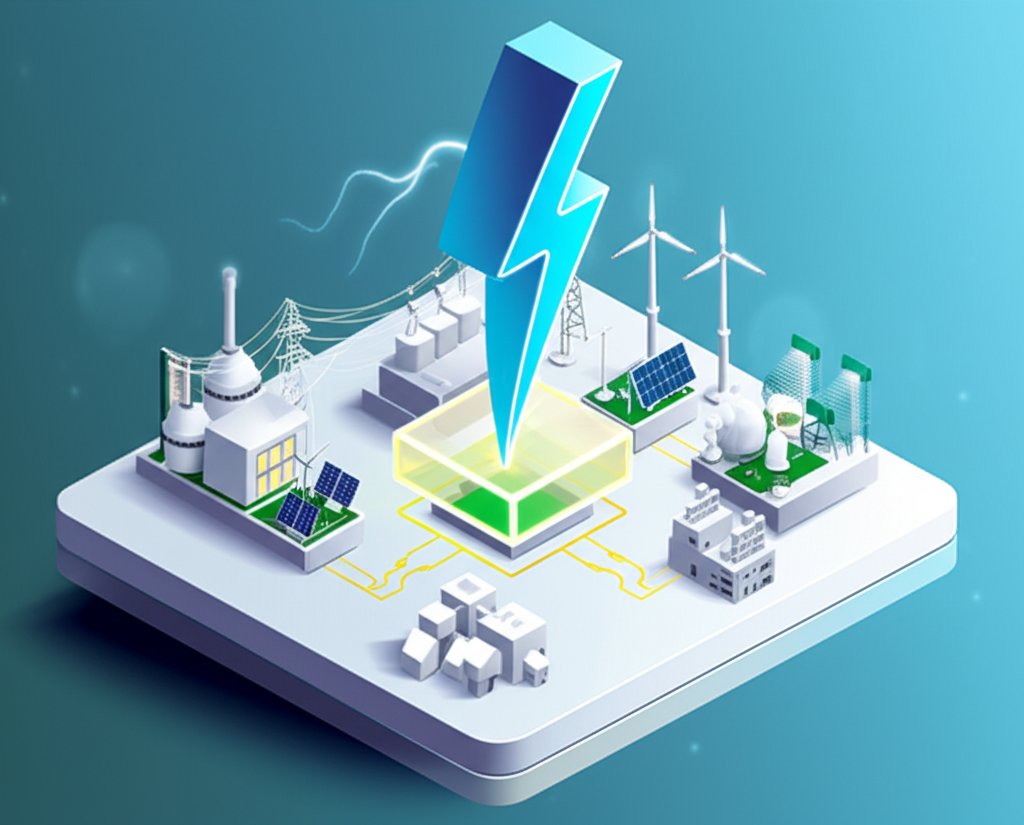
Imagine an energy system where every watt you consume is tracked, authenticated, and potentially even purchased directly from a neighbor’s rooftop solar panels, all without a central middleman. This isn't science fiction; it's the promise of blockchain energy solutions, fundamentally reshaping how we produce, distribute, and consume power. Our current energy infrastructure, often burdened by administrative hurdles, opaque processes, and a slow pace of innovation, is ripe for disruption. Blockchain technology offers a powerful antidote, enabling energy transactions that are not just legal and secure, but also automatically enhanced, bringing unprecedented transparency and efficiency to a sector vital for our future.
At a Glance: What Blockchain Brings to Energy
- Decentralization: Shifts power from centralized utilities to peer-to-peer networks, empowering individual prosumers.
- Transparency: Creates an immutable, auditable record of every energy transaction, visible to all participants.
- Efficiency: Streamlines complex supply chains and administrative processes, cutting costs and speeding up workflows.
- Security: Leverages cryptographic principles to secure data, preventing fraud and tampering.
- Programmability: Enables automated transactions and services through smart contracts, from P2P sales to carbon credit trading.
- Traceability: Provides full visibility from energy generation to consumption, enhancing accountability and compliance.
The Energy Grid's Growing Pains: Why We Need a Shift
For decades, the energy industry has operated largely on a centralized model. Large power plants generate electricity, which is then transmitted and distributed by utilities to consumers. This system, while robust in its time, now struggles with several significant challenges that hinder progress towards a truly sustainable and efficient future.
Think about the sheer complexity of the energy supply chain, especially in sectors like oil and gas, involving exploration, extraction, refining, and transportation. Each step involves mountains of paperwork, numerous intermediaries, and a lack of real-time, shared visibility. This complexity breeds inefficiency, inflates costs, and slows down crucial processes. Utilities, too, face pressures to innovate, but are often constrained by legacy systems and established business models that resist change.
Moreover, the increasing push for renewable energy sources—solar, wind, and hydropower—introduces a new dynamic: distributed generation. Suddenly, homes and businesses aren't just consumers; they're also producers ("prosumers"). Our existing grid isn't always equipped to handle this bidirectional flow of energy or the micro-transactions required to facilitate local energy sharing. This is where the profound benefits of blockchain technology, with its decentralized, transparent, and programmable nature, come into sharp focus.
How Blockchain Reshapes the Energy Landscape
Blockchain, at its core, is a distributed ledger technology that records transactions in a secure, transparent, and immutable way. Instead of a single central authority maintaining a record, a network of computers collectively validates and stores the data. Applied to energy, this isn't just a technological upgrade; it's a paradigm shift.
Decentralization: Power to the People (and Machines)
One of blockchain's most revolutionary contributions to the energy sector is its ability to enable true decentralization. Currently, utilities act as the central brokers for all energy transactions. Blockchain removes this necessity, paving the way for peer-to-peer (P2P) energy networks.
Imagine your solar panels produce more electricity than you need on a sunny afternoon. Instead of selling that surplus back to the grid at a low wholesale rate, you could directly sell it to a neighbor who needs power, all automatically managed and verified by a blockchain. This not only empowers individual prosumers but also fosters local energy communities, increasing energy resilience and driving down costs by cutting out intermediaries. This peer-to-peer model is a cornerstone of smart grid development, allowing individual energy units (homes, businesses, electric vehicles) to communicate and trade power directly.
Transparency You Can Trust: Unlocking Auditability
The energy sector has long grappled with issues of transparency, from tracking the origin of energy to verifying compliance data. Blockchain fundamentally alters this landscape by introducing an immutable and fully auditable distributed ledger.
Every transaction, every watt produced, every unit consumed, and every sale or purchase is recorded permanently on the blockchain. Once a transaction is authenticated and added to a block, it cannot be altered or deleted. This creates an unassailable record, offering full traceability from generation to consumption. For all participants—producers, consumers, and regulators—this means unparalleled clarity and accountability. Regulators, for instance, gain secure, unchangeable access to compliance data directly from the source, vastly simplifying verification processes and building greater trust in the system. When considering the far-reaching Blockchain Energy Impact, this level of transparency is transformative.
Efficiency & Cost Savings: Streamlining Complex Chains
The current energy supply chain, particularly in complex industries like oil and gas, is notoriously inefficient. Multiple layers of paperwork, manual verification, and fragmented data systems lead to delays and increased operational costs.
Blockchain acts as a single, shared source of truth. By streamlining these complex supply chains, from exploration and extraction to refining and transportation, blockchain can significantly cut costs and accelerate workflows. Imagine tracking oil and gas resources with full visibility across the entire value chain, reducing disputes over quantities or origins, and automating contractual payments. This digital streamlining reduces administrative overhead, minimizes human error, and ensures that resources are allocated and transacted with far greater precision.
Programmable Energy: The Power of Smart Contracts
Beyond simply recording transactions, blockchain's power lies in its programmability through "smart contracts." These are self-executing contracts with the terms of the agreement directly written into code. They automatically execute when predefined conditions are met, eliminating the need for intermediaries to enforce agreements.
In energy, smart contracts unlock a wealth of possibilities:
- Automated P2P trading: A smart contract can automatically transfer payment to your neighbor when they sell you a specific amount of solar power.
- Tokenization of assets: Physical energy commodities (like a barrel of oil or a certain amount of electricity) or even carbon credits can be "tokenized"—represented as digital tokens on a blockchain. These tokens can then be traded instantly and securely, creating new, liquid markets and democratizing access to energy investments and environmental assets.
- Dynamic pricing: Smart contracts can adjust energy prices in real-time based on supply, demand, or grid conditions, optimizing energy consumption and incentivizing efficiency.
Real-World Impact: Key Blockchain Energy Solutions in Action
The theoretical benefits of blockchain in energy are compelling, but its true power is best understood through its practical applications. Here's a look at key use cases already taking shape:
Peer-to-Peer (P2P) Energy Trading: Your Neighbor, Your Power Plant
This is arguably the most talked-about application. Households or businesses that generate surplus energy, perhaps from rooftop solar panels or small wind turbines, can sell that excess directly to other consumers within a local network.
- How it works: Smart meters record energy generation and consumption. When a surplus is detected, a smart contract automatically facilitates a sale to a nearby buyer who needs power. The blockchain records the transaction, ensuring transparent pricing and settlement.
- Benefit: Reduces reliance on large centralized utilities, optimizes local energy consumption, and provides new revenue streams for prosumers. It supports the growth of microgrids and strengthens community energy independence.
Revolutionizing Energy Commodities: From Barrels to Blocks
Traditional commodity trading for oil, gas, and electricity involves numerous parties, complex settlement processes, and often proprietary systems that lack interoperability.
- How it works: Blockchain provides a secure, shared platform for recording and executing commodity trades. Physical assets can be tokenized, allowing for faster, more transparent, and more cost-effective trading than existing systems. This reduces counterparty risk and streamlines post-trade settlement.
- Benefit: Increases efficiency, reduces transaction costs, and enhances trust in the trading of energy commodities, potentially making markets more accessible.
Smart Grid Management: Real-Time Insights, Resilient Networks
Connecting end-users directly to the grid via blockchain enables a highly responsive and intelligent energy network.
- How it works: Blockchain can track electricity from its point of generation (e.g., a wind farm) through transmission and distribution to its final consumption in real-time. This real-time data flow supports dynamic load balancing, identifies inefficiencies, and helps prevent blackouts. Smart contracts can activate demand-response programs, where consumers are incentivized to reduce consumption during peak times.
- Benefit: Improves grid stability, optimizes energy flow, enhances reliability, and enables proactive management of energy resources across the entire network.
Oil & Gas Optimization: Tracing Every Drop
The oil and gas industry is characterized by vast, complex supply chains and intricate logistics. Blockchain can bring much-needed clarity.
- How it works: From the wellhead to the refinery and beyond, blockchain can create an immutable record of every barrel of oil or cubic foot of gas. This allows for superior resource tracking, verifying origin, quantity, and quality at each stage. Smart contracts can automate payments upon delivery verification, significantly reducing disputes and administrative overhead.
- Benefit: Enhances efficiency, reduces paperwork, minimizes fraud, and improves the traceability and accountability of resources throughout the upstream, midstream, and downstream segments.
Smart Meters & Billing: Data Integrity at Your Fingertips
Smart meters are becoming standard, but ensuring the security and accuracy of their data, and linking it efficiently to billing systems, is crucial.
- How it works: Blockchain provides a secure and immutable ledger for smart meters to record and transmit energy consumption data directly to service providers. Each data point is timestamped and cryptographically secured, making it tamper-proof. This ensures accurate billing and reduces opportunities for meter tampering.
- Benefit: Increases billing accuracy, enhances data security, and builds trust between consumers and providers, while also providing real-time consumption insights that can empower users to manage their energy use more effectively.
Compliance & Regulation: A Shared, Immutable Record
Regulatory bodies need reliable, verifiable data to ensure energy producers and consumers adhere to standards, environmental commitments, and market rules.
- How it works: By providing regulators with secure, unalterable access to a shared ledger of energy transactions and data, blockchain simplifies compliance verification. They can audit data directly from the source, guaranteeing its integrity and authenticity. This is particularly valuable for tracking renewable energy credits (RECs) or carbon emissions.
- Benefit: Streamlines regulatory processes, enhances accountability, reduces fraud in compliance reporting, and fosters greater trust in the industry's adherence to rules and standards.
Navigating the Hurdles: Challenges on the Path to Adoption
While the potential of blockchain in the energy sector is immense, its widespread adoption isn't without significant challenges. These hurdles span technical, economic, and regulatory domains, requiring concerted effort from all stakeholders.
Overcoming Technical Skepticism: Security, Speed, and Scale
The energy industry, often conservative by nature due to the critical infrastructure it manages, has legitimate concerns about adopting new technologies. Key questions revolve around:
- Security: While blockchain is inherently secure due to its cryptographic nature, specific implementations can have vulnerabilities. Ensuring enterprise-grade security for critical energy infrastructure is paramount.
- Speed (Transaction Throughput): Early blockchains, like Bitcoin, are known for relatively slow transaction speeds. For real-time energy trading and grid management, high transaction throughput (transactions per second) is essential. Newer blockchain architectures and layer-2 solutions are addressing this, but performance remains a key consideration.
- Scalability: A truly decentralized energy grid serving millions of prosumers would generate an enormous volume of data and transactions. The ability of a blockchain network to scale without compromising decentralization or security is a fundamental challenge that continues to evolve.
Redesigning Revenue Models: The Utility Dilemma
Existing utility companies operate on revenue models built around centralized generation and distribution, often making money on the volume of energy sold and the maintenance of their vast infrastructure. P2P energy trading and decentralized models disrupt this.
- Incompatibility with P2P: If consumers directly trade energy with each other, utilities face a potential reduction in their core business. This shift makes it difficult for them to maintain the shared distribution infrastructure (the power lines and substations) that everyone still relies on.
- Finding new roles: Utilities will need to evolve, potentially becoming facilitators of blockchain-based markets, providers of grid stability services, or operators of distributed energy resource platforms, rather than just centralized providers. This requires a fundamental rethink of their business strategy and regulatory compacts.
The Regulatory Maze: Seeking Global Clarity
The energy industry is heavily regulated, often at national, regional, and even local levels. Introducing a decentralized technology like blockchain into this framework creates a complex regulatory vacuum.
- Lack of clear global regulations: There's currently no consistent global framework for managing decentralized energy infrastructure, establishing electricity pricing in P2P markets, or resolving disputes in a blockchain-based system.
- Jurisdictional complexities: Rules vary widely. What's permissible in one state or country might be illegal in another. This patchwork of regulations slows down innovation and makes large-scale deployment difficult.
- Policy lag: Technology often moves faster than policy. Regulators need time to understand blockchain's implications and develop frameworks that protect consumers, ensure grid reliability, and foster fair competition without stifling innovation. This regulatory uncertainty remains a significant barrier to widespread adoption.
Looking Ahead: The Future of Energy, Powered by Blockchain
The journey towards a fully decentralized, transparent, and efficient energy grid powered by blockchain is still unfolding. While challenges remain, the undeniable benefits—from cost reduction and enhanced security to greater transparency and consumer empowerment—make it a technology too critical to ignore. As pilot projects mature and technical hurdles are addressed, we will likely see a phased integration of blockchain energy solutions into various parts of the grid.
For industries and individuals alike, understanding the implications of these solutions isn't just about staying current; it's about preparing for a future where energy is managed with unprecedented precision, fairness, and sustainability. The shift won't happen overnight, but the groundwork is being laid for an energy system that truly serves everyone, moving us closer to a world of cleaner, more reliable, and democratized power. The conversation is no longer about if blockchain will impact energy, but how and when its transformative potential will be fully realized.