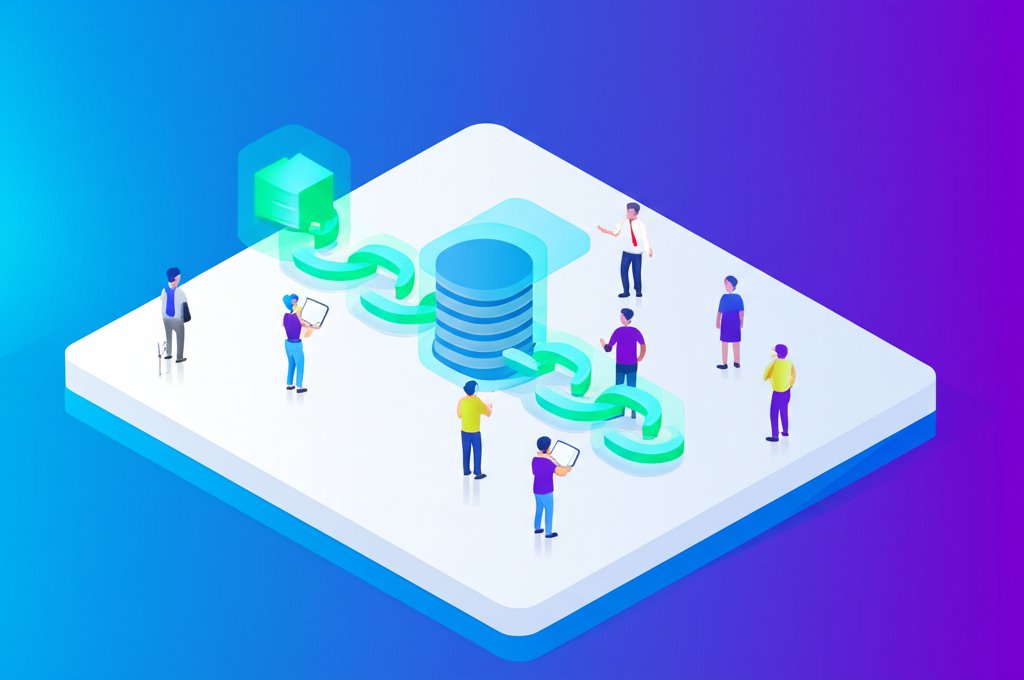
Imagine a world where every significant transaction, every record, and every piece of digital information could be verified as authentic and unchangeable, without relying on a single, powerful intermediary. This isn't science fiction; it's the promise of blockchain technology, a revolutionary digital ledger system that is reshaping industries worldwide. From securing financial assets to streamlining supply chains, blockchain offers a new paradigm of trust and transparency in our increasingly digital lives.
At its heart, blockchain is a peer-to-peer, decentralized, and distributed digital ledger. Instead of a central authority managing records, a network of computers collectively maintains a shared database. Each "block" in this chain contains a timestamp, transaction data, and a cryptographic link to the previous block, forming an unbreakable, transparent history. This ingenious structure ensures that once data is recorded, it's virtually impossible to alter, making it a powerful tool for verifiable record-keeping. The core concept has evolved over decades, eventually leading to Satoshi Nakamoto's groundbreaking creation of the first decentralized blockchain for Bitcoin in 2008, solving the notorious "double-spending" problem.
How Transactions Come to Life on the Blockchain

Understanding the basic flow of a blockchain transaction demystifies this complex technology. It begins when someone initiates a transaction—perhaps transferring funds or securely sharing data. This request isn't sent to a bank or a central server; instead, it's broadcast to the entire network of computers, known as nodes.
These network nodes then spring into action, verifying the transaction's legitimacy using powerful computational processes like "mining." Once confirmed, this transaction is grouped with others into a new "block," which also includes a unique hash of the block that came before it. This new, verified block is then added to the existing chain, instantly updating the distributed ledger across every node in the network. This continuous, collective verification is what makes blockchain so robust. To manage these digital interactions securely, users often rely on a blockchain wallet, safeguarded by complex public and private cryptographic keys.
Unlocking Trust and Efficiency: The Transformative Power of Blockchain
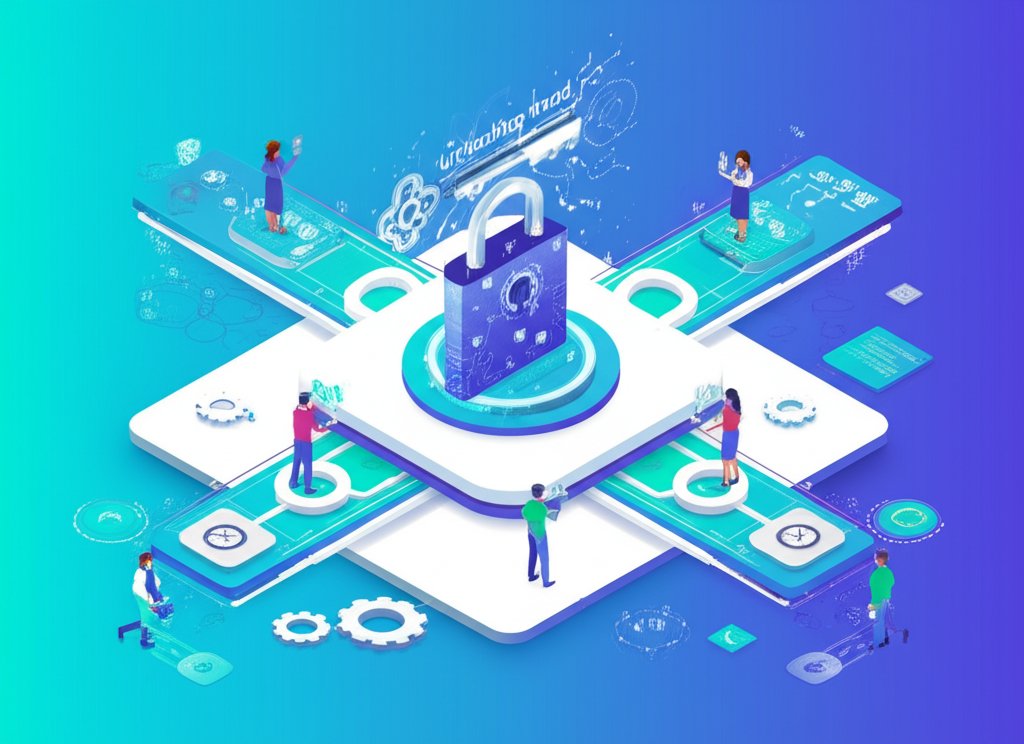
The inherent design of blockchain technology brings forth a host of compelling advantages, fundamentally changing how we approach digital interactions. Its core strengths lie in fostering unprecedented levels of trust and operational efficiency.
One of the most celebrated features is immutability. Once a record is added to the blockchain, it's permanent and cannot be altered or deleted. This ensures an undeniable audit trail, crucial for sensitive data. Coupled with this is transparency, as the decentralized network allows all participants to see the ledger, fostering an environment where operations are open and verifiable, rather than hidden behind closed doors. For a deeper dive into these and other compelling reasons to adopt this technology, explore the many advantages of blockchain.
Furthermore, blockchain offers high availability thanks to its peer-to-peer nature; if some nodes go offline, the network continues to function seamlessly. This resilience contributes to its high security, where transactions are protected by sophisticated cryptographic algorithms, making malicious activities incredibly difficult to execute without immediate detection.
Navigating the Diverse Landscape of Blockchain Technologies
While Bitcoin famously introduced the world to blockchain, the technology itself has blossomed into a diverse ecosystem far beyond digital currencies. Not all blockchains are created equal, and understanding their different forms is key to appreciating their versatility.
There are primarily four types of blockchain. Public Blockchains, like those underpinning Bitcoin and Ethereum, are permissionless; anyone can read, write, and verify data, making them ideal for cryptocurrencies and decentralized applications. If you're curious about how these open networks operate, you can Explore Public Blockchain. Conversely, Private Blockchains are permissioned, with access restricted to authorized individuals, commonly leveraged by enterprises seeking control over their data. Consortium Blockchains are managed by a select group of pre-approved nodes, often used by industry groups collaborating on shared initiatives. Lastly, Hybrid Blockchains cleverly combine features of both public and private chains to meet specific organizational needs. Beyond these, sidechains represent parallel blockchains that can interact with a primary chain, adding flexibility and scalability. Given this incredible diversity, it's fascinating to consider how many blockchains exist today across various industries and applications.
Real-World Applications: Beyond Cryptocurrency
While blockchain gained initial fame through Bitcoin, its utility extends dramatically into countless sectors, promising innovation and disruption. We're seeing a rapid acceleration in its adoption for practical, everyday problems.
- Financial Services: Blockchain is revolutionizing finance with Decentralized Finance (DeFi), enabling peer-to-peer lending and trading without traditional banks. Central Banks are also exploring Central Bank Digital Currencies (CBDCs), with countries like China and India leading the charge. Blockchain-powered networks like Ripple are also facilitating faster, cheaper international payments.
- Supply Chain Management: Companies like Walmart and IBM are using blockchain to trace food products from farm to fork, enhancing transparency and safety. The pharmaceutical industry employs it for drug traceability, while logistics giants like Maersk use it to streamline global shipping.
- Healthcare: Securing medical records and streamlining clinical trials are critical applications, with projects like MedRec demonstrating its potential to give patients more control over their data while improving data integrity for research.
- Government & Public Sector: Governments are exploring blockchain for secure voting systems, immutable land registries, and even tax collection, enhancing trust and reducing bureaucracy.
- Digital Ownership & Identity: Non-Fungible Tokens (NFTs) are a prime example of blockchain securing unique digital ownership for art, music, and more. Identity management solutions are also emerging, empowering individuals with sovereign digital identities. The applications are incredibly varied, and you can truly Dive into blockchain analysis to understand the intricacies of how these systems are built and utilized.
Businesses are increasingly recognizing the strategic advantages of implementing this technology. If you're wondering about the specific ways this can benefit corporate structures and operations, you might want to Discover enterprise blockchain benefits that are driving widespread adoption.
Navigating Challenges and Forging Future Paths
Despite its immense potential, blockchain technology is still maturing and faces significant hurdles. These challenges, however, are also fertile ground for ongoing innovation and development.
Scalability remains a key concern, with networks potentially slowing down as user numbers grow. Solutions like sharding and layer-two protocols (e.g., Polygon) are actively being developed to address this. Another pressing issue is Energy Consumption, particularly for Proof-of-Work systems like Bitcoin, which in 2021 was estimated to use more electricity annually than entire nations. Thankfully, greener consensus mechanisms like Proof-of-Stake are gaining traction, and if you're interested in the path towards a more sustainable future for this technology, you should Explore blockchain energy solutions Unlock blockchains.
While highly secure, no system is entirely invulnerable. Security vulnerabilities can exist in implementation or in related components, leading to questions like can blockchain be hacked. Continuous smart contract auditing and quantum-resistant cryptography are vital areas of research. Regulation is also a complex and evolving landscape, with legal frameworks still catching up to the pace of technological advancement, creating gray areas for businesses and innovators. Lastly, widespread Adoption is still growing; a 2022 survey indicated that only a fraction of businesses were actively using the technology. Interoperability projects like Cosmos are also crucial, aiming to allow different blockchains to communicate seamlessly.
The Growing Blockchain Ecosystem: Companies and Investment
The rapid evolution of blockchain technology has spurred the growth of a dynamic ecosystem, attracting both established tech giants and innovative startups. Companies are building everything from core blockchain infrastructure to specialized applications across diverse sectors. It’s worth taking the time to [placeholder_link slug="Explore the biggest blockchain companies"] that are leading the charge in this space, shaping the future of digital transactions and data management.
For those interested in the financial side, investing in companies that develop or utilize blockchain technology is becoming increasingly accessible. Understanding how to track these investments can be vital, and you can Learn about blockchain stock ticker to identify publicly traded entities within this exciting market. Furthermore, for the technically inclined or those simply curious about building their own decentralized future, the resources are increasingly available to Create your own blockchain, paving the way for new applications and solutions.
The Immutable Future
Blockchain technology is far more than a buzzword or merely the foundation for cryptocurrencies; it is a fundamental shift in how trust, transparency, and security can be established in our digital world. By creating an immutable, public ledger for records, it offers solutions to age-old problems of data integrity and intermediary reliance. As innovation continues and challenges are addressed, blockchain is poised to fundamentally reshape industries, empower individuals with greater control over their data, and build a more transparent, efficient, and secure digital future for everyone.